



The historical journey of gambling from ancient rituals to modern games
The historical journey of gambling from ancient rituals to modern games
The Origins of Gambling in Ancient Civilizations
The roots of gambling can be traced back thousands of years to ancient civilizations where the act of wagering was often intertwined with rituals and beliefs. Archaeological discoveries reveal that games of chance were played in Mesopotamia around 3000 BCE, utilizing rudimentary dice made from animal bones. These early forms of gambling were often linked to religious ceremonies, as participants believed that the outcome could be influenced by divine forces. Today, platforms like Dbbet continue this engaging tradition in a contemporary setting.

In ancient China, gambling also emerged as a significant cultural activity. The earliest known references to gambling date back to the Han Dynasty (206 BCE – 220 CE). During this period, keno-like games were popular, not just for entertainment but also as a means of raising funds for public projects, such as the construction of the Great Wall. This blend of gambling and civic duty highlights the multifaceted role of gambling in society.
Similarly, the Romans had their own gambling traditions, with evidence suggesting that dice games were prevalent among soldiers and civilians alike. The Romans introduced a variety of gambling games, such as “Tali,” which used four-sided dice, and they established gambling houses known as “ludus.” This early form of organized gambling laid the groundwork for modern gaming establishments, illustrating how ancient practices evolved into more structured forms of entertainment.
The Evolution of Gambling Through the Ages
As societies progressed, so too did gambling practices. During the Middle Ages, gambling took on new dimensions in Europe, particularly with the emergence of card games. The introduction of playing cards, believed to have originated in China, revolutionized gambling and offered a new form of gameplay that became immensely popular across the continent. Card games quickly transitioned from casual pastimes to formalized activities often associated with nobility.
The Renaissance period saw further developments in gambling, particularly with the rise of public gaming houses. These establishments became social hubs where people gathered to play games like faro and later, baccarat. The notion of betting on outcomes evolved, and as public interest grew, various laws and regulations began to emerge, seeking to control and tax this burgeoning industry.
By the 19th century, gambling continued to expand, especially with the introduction of the first legal lotteries in Europe and the United States. This period marked a pivotal transition from informal gaming to more organized and state-sanctioned gambling operations, reflecting a societal shift in how gambling was perceived. With governments recognizing the potential for revenue generation, the gambling landscape began to formalize and modernize.
The Birth of Modern Gambling Institutions
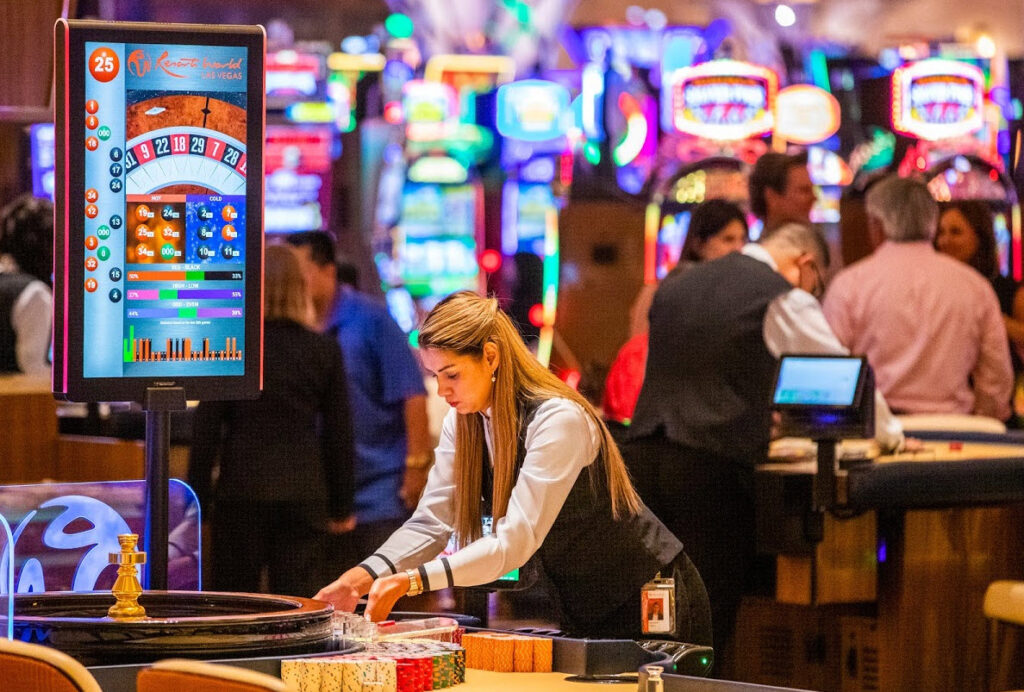
The advent of the 20th century marked a significant turning point in the history of gambling, leading to the establishment of modern casinos. Las Vegas emerged as the epicenter of gambling in the United States after the legalization of casino gaming in Nevada in 1931. The city’s rapid growth and development into a luxury destination attracted millions of visitors, highlighting the industry’s potential for economic growth.
Internationally, places like Monte Carlo and Macau also rose to prominence, positioning themselves as global gambling hubs. These locations not only capitalized on the allure of high-stakes gaming but also promoted lavish entertainment options, creating an all-encompassing gambling experience that appealed to a wide range of patrons. The architectural grandeur of these casinos became synonymous with the glamour of gambling.
The introduction of technology in the latter half of the century further transformed gambling. The innovation of slot machines and electronic gaming devices made gambling more accessible and appealing to a broader audience. This technological evolution marked a shift towards automated gaming, changing the dynamics of how people engaged with betting and leading to the creation of hybrid gaming experiences.
The Digital Revolution and Online Gambling
The turn of the 21st century ushered in the digital revolution, significantly impacting the gambling landscape. The emergence of the internet allowed for the creation of online casinos and sports betting platforms, making it possible for users to gamble from the comfort of their own homes. This innovation broadened the reach of gambling, providing access to a global audience and attracting those who may have previously felt excluded from traditional casinos.
Online gambling introduced a new array of games and betting options that catered to diverse preferences. Live dealer games, for instance, merged technology with the authentic casino experience, enabling players to engage with real dealers via video streaming. Additionally, mobile apps have further facilitated gambling on-the-go, ensuring that players can participate in their favorite games anytime, anywhere.
However, this digital transformation also prompted discussions around regulation and responsible gambling. As online gambling grew, so too did concerns about addiction and fraud. Governments worldwide began to implement regulatory frameworks to protect consumers while ensuring fair play. This ongoing balance between innovation and regulation continues to shape the future of online gambling.
The Role of DBbet in Modern Gambling
DBbet has emerged as a leader in the online gambling landscape, providing a dynamic platform for sports betting and casino entertainment. With over 400,000 registered members, DBbet offers a rich variety of wagering options that cater to diverse interests, from traditional sports betting to a wide selection of casino games. The user-friendly interface enhances the overall experience, making it accessible to both novice and seasoned gamblers.
Security and user experience are at the forefront of DBbet’s operations. With a commitment to protecting user information, the platform employs advanced security measures and offers multiple payment options, ensuring a seamless and secure betting experience. Additionally, the platform’s availability in over 20 countries showcases its commitment to reaching a global audience, emphasizing the increasing significance of online gambling in today’s society.
As the gambling industry continues to evolve, DBbet remains committed to adapting to new technologies and trends, providing an engaging and secure environment for its users. With a focus on responsible gambling, DBbet aims to foster a sustainable and enjoyable gaming experience, reflecting the historical journey of gambling from its ancient origins to its modern-day manifestations.
Recent Posts
Categories
- Email Marketing
- Digital Publishing
- Success Connection
- uncategorized
- Sportaza
- Boomerang Casino DE
- GG bet
- VulkanBet
- Pin Up bet
- 1xbet зеркало
- blog
- AI Chatbots for Banking
- Bitcoin Price
- Chatbots Software
- Payday Loans Near me
- Новости
- Bitcoin News
- karabasmedia.com
- Форекс обучение
- treelight.com.ua
- IT Образование
- from-ua.com
- AI Chatbots
- Новости Экономики
- krippa
- FinTech
- Fin Tech
- Software development
- gameinside.ua
- karabasmedia
- Download Soft
- Новости Криптовалют
- ! Без рубрики
- Forex Trading
- kievtime.com
- IT Вакансії
- 1daycasino777.org
- activeslots777.org
- activeslots555.org
- Форекс Брокеры
- asiasloty.org
- Bookkeeping
- Экономические новости
- automaty777.org
- bbq
- automaty999.org
- casinoluxth.org
- uzhgorodka.uz.ua
- onlinethailand.org
- zxc
- slots777th.org
- slotyth.org
- Sober living
- body-vitamin.com.ua
- max-krippa
- veda.net.ua
- freze.com.ua
- Education
- inex.com.ua
- lmmp.com.ua
- jomasport.com.ua
- IT
- DE
- FR
- konvektors.kiev.ua
- kotelteplo.com.ua
- Public
- superbet-gr.gr.com