



Understanding the psychological triggers that drive gambling behavior
Understanding the psychological triggers that drive gambling behavior
The Allure of Risk and Reward
One of the most significant psychological triggers driving gambling behavior is the allure of risk and reward. This dynamic taps into the human brain’s natural inclination towards seeking pleasure and avoiding pain. Gamblers often experience a rush of adrenaline as they place their bets, which creates a sense of excitement. This feeling can become addictive, as the brain releases dopamine in response to potential rewards, reinforcing the desire to gamble further. Moreover, you can explore options at a bitcoin casino no kyc for a more streamlined experience.
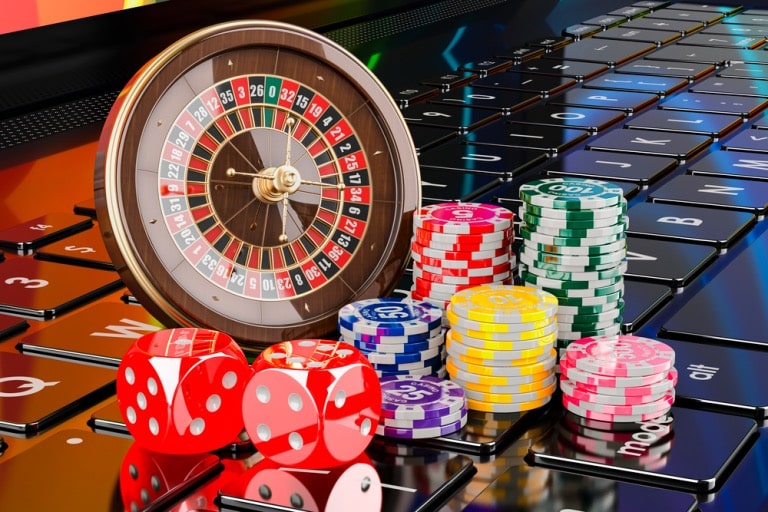
Additionally, the prospect of winning big often overshadows the reality of losses. Gamblers may fixate on the stories of those who have hit the jackpot, creating a cognitive bias that underestimates the likelihood of losing. This phenomenon, often referred to as “gambler’s fallacy,” leads individuals to believe that their luck will improve with each attempt, prompting them to continue engaging in gambling behavior despite past losses.
Moreover, casinos and online gambling platforms are designed to enhance this thrill. Bright lights, engaging sounds, and the celebratory atmosphere create a stimulating environment that keeps gamblers coming back for more. This sensory overload can overshadow the rational assessment of risk, making it easier for individuals to surrender to their impulses and gamble beyond their means.
The Role of Cognitive Dissonance
Cognitive dissonance also plays a crucial role in gambling behavior. When individuals experience a conflict between their actions and beliefs—such as knowing that gambling can lead to financial loss but still choosing to gamble—they often seek justification for their actions. This internal conflict can lead them to downplay the risks involved or create a narrative that supports their continued gambling.
For example, a gambler who has lost significant money may convince themselves that their next bet will surely be a winner, framing it as a “sure thing” rather than a risky endeavor. This rationalization helps alleviate feelings of guilt and anxiety associated with their gambling activities. Over time, this cognitive dissonance can lead to an escalating cycle of gambling, as individuals find more and more reasons to justify their behavior.
Furthermore, this dissonance can manifest in various forms, including selective memory. Gamblers often remember their wins while conveniently forgetting their losses, which reinforces their belief in future success. This selective recollection can make it incredibly difficult for individuals to break free from harmful gambling patterns, as their reality becomes skewed by their cognitive biases.
The Impact of Social Influences
Social influences also significantly impact gambling behavior. The environment in which individuals find themselves can either encourage or discourage gambling habits. Peer pressure and social norms often dictate the acceptability of gambling, especially among younger individuals who may feel compelled to conform to group behaviors. This sense of belonging can create an environment where gambling is not only normalized but celebrated.
Moreover, the presence of role models who engage in gambling can further exacerbate this behavior. If individuals see family members or friends winning significant amounts of money, they may be more inclined to participate in gambling activities themselves. This modeling effect can create a belief that gambling is a viable means to achieve financial success, even if the reality is often starkly different.
Additionally, social media platforms and online communities can amplify gambling behavior. The rise of online gaming has made it easier for individuals to share their experiences and victories, creating a false sense of success. Gamblers may feel a sense of camaraderie with online peers, reinforcing the notion that they are part of a community. This online engagement can lead to increased gambling frequency as individuals seek to belong and share in the excitement of the gambling experience.
The Psychological Effects of Near Misses
Near misses are another crucial psychological trigger in gambling behavior. These situations occur when a player is close to winning, such as when two out of three symbols line up on a slot machine. The brain interprets these near wins as signs that victory is just within reach, which can lead to increased gambling activity. This phenomenon is particularly compelling, as it creates a tantalizing sense of hope that often propels individuals to continue betting.
Research indicates that near misses can produce a similar dopamine response as actual wins, reinforcing the behavior. Gamblers may find themselves chasing that elusive victory, rationalizing that it is only a matter of time before they hit the jackpot. This chase can lead to a significant increase in gambling sessions, further entrenching individuals in their habits and making it increasingly difficult to break free.
Additionally, near misses can distort a gambler’s perception of odds and outcomes. They may begin to believe they have a better chance of winning than statistical evidence supports. This skewed perspective can contribute to compulsive gambling, as individuals feel empowered by their perceived ability to win despite overwhelming evidence to the contrary.
Explore Gaming Options with No KYC Crypto Casinos
As the landscape of gambling continues to evolve, understanding these psychological triggers becomes essential for both players and operators. Websites like No KYC Crypto Casinos offer an opportunity for individuals to explore gaming options without the burden of identity verification, facilitating a unique and secure experience. Players can discover the most reputable Bitcoin casinos and maximize their enjoyment while remaining aware of the underlying psychological factors at play.
These platforms provide a wealth of resources, including detailed reviews and comparisons of various casinos. By offering insights into bonuses, game selections, and withdrawal times, they empower users to make informed decisions. While the thrill of gambling can be captivating, understanding the psychological elements can help players approach their gaming experiences with a healthier mindset.
Ultimately, the rise of technology in gaming, particularly with no-KYC options, underscores the importance of being informed. By recognizing the psychological triggers driving gambling behavior, players can navigate their experiences more effectively and mitigate the risks associated with gambling. This balanced approach can lead to a more enjoyable and responsible gaming environment for all involved.

Recent Posts
- Understanding the psychological triggers that drive gambling behavior
- Unlocking casino success A step-by-step guide to mastering the game
- Unlock the secrets to winning big at the casino The world of casinos is filled with excitement, strategy, and the potent
- Bewusstsein für Spielsucht Ein Leitfaden zur Prävention und Hilfe
Categories
- Email Marketing
- Digital Publishing
- Success Connection
- uncategorized
- Sportaza
- Boomerang Casino DE
- GG bet
- VulkanBet
- Pin Up bet
- 1xbet зеркало
- blog
- AI Chatbots for Banking
- Bitcoin Price
- Chatbots Software
- Payday Loans Near me
- Новости
- Bitcoin News
- karabasmedia.com
- Форекс обучение
- treelight.com.ua
- IT Образование
- from-ua.com
- AI Chatbots
- Новости Экономики
- krippa
- FinTech
- Fin Tech
- Software development
- gameinside.ua
- karabasmedia
- Download Soft
- Новости Криптовалют
- ! Без рубрики
- Forex Trading
- kievtime.com
- IT Вакансії
- 1daycasino777.org
- activeslots777.org
- activeslots555.org
- Форекс Брокеры
- asiasloty.org
- Bookkeeping
- Экономические новости
- automaty777.org
- bbq
- automaty999.org
- casinoluxth.org
- uzhgorodka.uz.ua
- onlinethailand.org
- zxc
- slots777th.org
- slotyth.org
- Sober living
- body-vitamin.com.ua
- max-krippa
- veda.net.ua
- freze.com.ua
- Education
- inex.com.ua
- lmmp.com.ua
- jomasport.com.ua
- IT
- DE
- FR
- konvektors.kiev.ua
- kotelteplo.com.ua
- Public
- superbet-gr.gr.com